
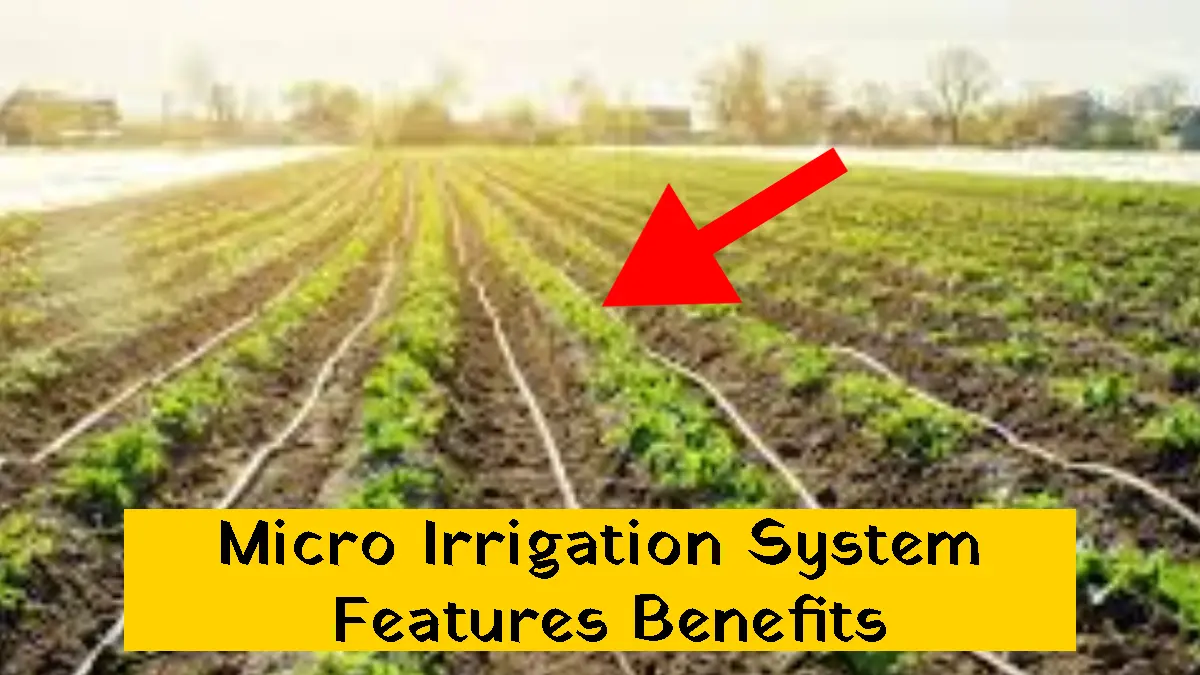
Micro irrigation is a modern way to give water to plants. In this method, water is applied slowly and directly to the soil, either on the surface or below it, using small drops or streams. In this unit, you will learn about the main features of micro irrigation and how it is classified.
Why Micro Irrigation is Better than Traditional Methods
Micro irrigation saves much more water compared to old flooding methods. It helps in increasing water use efficiency. It also helps in reducing the growth of unwanted plants (weeds), stops soil erosion, and lowers the overall cost of farming. You can use micro irrigation on all types of land, especially where flood irrigation does not work well.
In the flood method, the whole field is filled with water. This can cause problems like too much water around the roots, which is harmful to plants. Therefore, flooding is considered one of the worst ways to irrigate. Micro irrigation is very useful for hilly areas, deserts, and places where the soil is not very deep.
What is Micro Irrigation System?
Main Features of Micro Irrigation
In this system, water moves through pipes under pressure. A pump is used to create this pressure, whether the water comes from a well or a pond. Here are some key points:
- In drip systems, water is given to plants drop by drop for a long time.
- Water is applied at a slow rate to keep a good balance of air and water near the roots.
- Plants get water at regular intervals based on what they need.
- Water goes directly to the plants and not to the empty areas of the field. This stops water wastage.
- The soil moisture stays at ‘Field Capacity,’ which helps crops grow faster and better.
Field Capacity means the amount of water left in the soil after extra water has drained away. This usually happens 2-3 days after rain or irrigation. At this stage, the soil has both air and water, which is perfect for plant growth.
Types of Micro Irrigation Systems
There are mainly two types of micro irrigation:
- Drip Irrigation System
- Sprinkler Irrigation System
Both systems have different water flow rates and pressure needs. Water flow rate means how much water comes out in a certain time, measured in Liters Per Minute (LPM).
How Drip Irrigation Works
Drip irrigation is also known as ‘Trickle Irrigation.’ In this method, water is delivered directly to the root zone using drippers or emitters. Water comes out drop by drop or in a tiny jet. The water moves through the soil and wets the roots using gravity and capillary action. In heavy soil, water spreads more than in sandy soil. Drip irrigation is great because you can use it even on windy days.
Frequently Asked Questions (FAQs)
What is micro irrigation in simple words?
It is a way to give water to plants very slowly using pipes and small drops. It saves water and helps plants grow better.
Why is flood irrigation bad for plants?
Flood irrigation fills the field with too much water. This can block air from reaching the roots and can waste a lot of water.
What does “Field Capacity” mean?
It is the perfect level of moisture in the soil. It happens when extra water drains away, leaving just enough water and air for the roots.
Can we use micro irrigation on hills?
Yes, micro irrigation is perfect for hilly areas and uneven lands where normal watering is difficult.
What is a dripper?
A dripper is a small device attached to the pipe. It controls the water and lets it out drop by drop near the plant.
Does micro irrigation reduce farming costs?
Yes, it reduces costs because you use less water, fewer fertilizers, and you don’t have to spend much on removing weeds.
Do we need a pump for this system?
Yes, a pump is needed to push the water through the pipes with enough pressure so it reaches every plant.